Concrete Cutting vs Concrete Removal: Understanding the Difference
People seeking concrete cutting often need precise removal or modification of concrete, and local contractors can provide expert services tailored to their specific project requirements.
Understanding the difference between concrete cutting and concrete removal is essential for property owners planning renovations, repairs, or upgrades. Whether you're considering creating new openings, modifying existing structures, or removing damaged sections, knowing which method to choose can impact the project’s success. This knowledge helps ensure that the right techniques are used for the job, leading to cleaner, more precise results. Local contractors specializing in concrete services can provide insight into which approach best suits your specific needs, making it easier to achieve your project goals efficiently.
Property owners in the area often explore this topic to better understand how to approach their concrete projects and to identify the appropriate services for their situations. Concrete cutting involves precise, controlled techniques that minimize damage to surrounding areas, while concrete removal typically involves more extensive work to clear away large sections. Recognizing these differences can help in planning repairs or upgrades effectively. Local service providers experienced in both methods can assist with the technical aspects, ensuring that the work aligns with the project's requirements. Keep reading to learn more about how these techniques differ and how local experts can support your next concrete project.
- Concrete cutting services are often needed when precise openings or modifications are required in existing concrete structures, and local contractors use specialized tools to ensure clean, accurate cuts.
- Concrete removal services come into play when entire sections of concrete need to be taken out, such as for demolition or structural changes, with local pros handling the process efficiently and safely.
- Understanding the difference helps homeowners determine whether they need cutting for adjustments or removal for complete replacement, with local service providers guiding the best approach.
- Local contractors approach concrete cutting with techniques that minimize damage to surrounding areas, while concrete removal involves more extensive work to clear large sections of material.
- Contact local pros to assess whether concrete cutting or removal is appropriate for the project, ensuring the work is done correctly and efficiently.
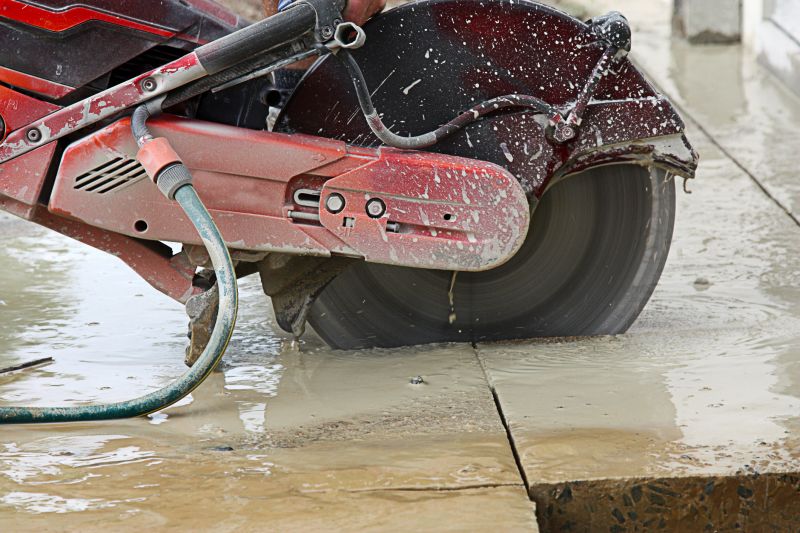
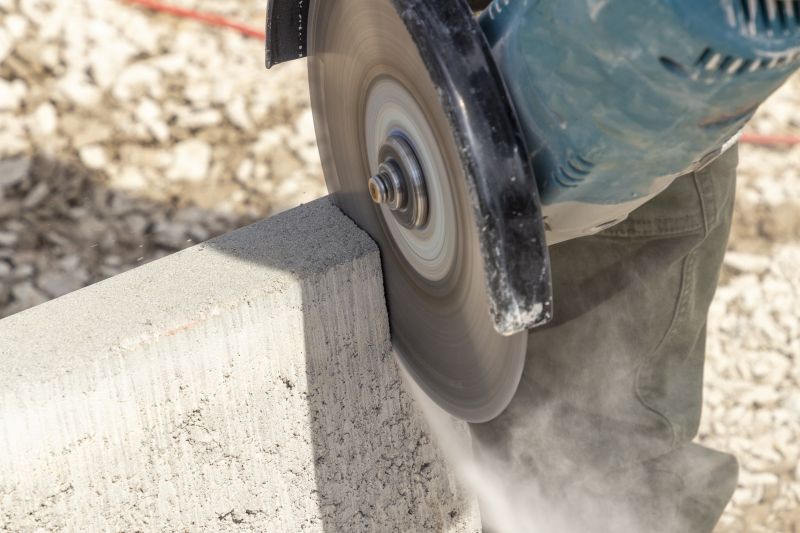
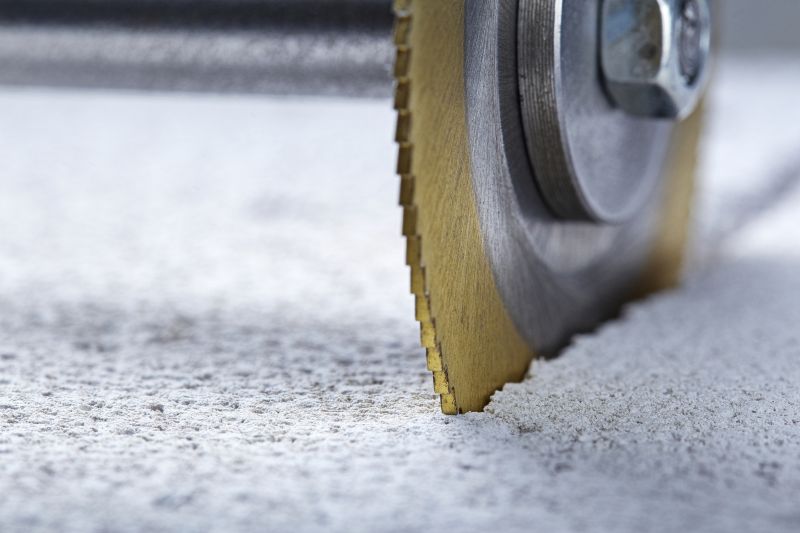
When people search for concrete cutting vs concrete removal: understanding the difference, they are often trying to clarify which process is appropriate for their specific project. Homeowners typically encounter this topic when planning renovations, repairs, or upgrades involving existing concrete structures. Whether it's creating new doorways, enlarging driveways, or installing utilities, understanding whether to cut into or remove sections of concrete is essential. This knowledge helps ensure the right approach is taken, which can save time, reduce costs, and prevent unnecessary damage to surrounding areas. Local contractors specializing in concrete services can provide expert guidance on which method best suits each project’s needs.
Concrete cutting generally involves making precise incisions or openings in existing concrete with specialized tools, such as saws or blades. This process is often used when only a section of concrete needs modification-like creating a clean cut for a new doorway or window opening, or for installing pipes and conduits. In contrast, concrete removal involves breaking up and extracting larger portions of concrete, often when the existing slab or structure is no longer needed or is severely damaged. This could be part of a larger renovation project, such as removing an old driveway or foundation segment to make way for new construction. Recognizing the difference between these two processes helps homeowners better communicate their needs when consulting local service providers.
The types of properties where these services are commonly needed vary widely, but most often include residential homes, commercial buildings, and industrial facilities. In residential settings, concrete cutting might be used to install new stairs, expand a patio, or retrofit a garage. Concrete removal, on the other hand, is frequently necessary when demolishing old driveways, basement slabs, or foundation sections. Commercial and industrial properties may require larger-scale concrete removal for structural modifications, while concrete cutting can be used for more targeted tasks like installing utility lines or creating access points. Knowing the property type helps homeowners and property managers identify which service is appropriate and ensures that experienced local contractors can deliver the best results.
Understanding the distinction between concrete cutting and concrete removal is crucial for planning successful projects involving existing concrete structures. Homeowners should consider the scope of their work-whether they need precise modifications or complete removal-to determine which process is suitable. Local service providers specializing in concrete work are equipped to evaluate each situation and recommend the best approach. By clearly understanding these differences, property owners can better communicate their needs and ensure the right techniques are used, leading to efficient, effective results that support their renovation or repair plans.
Flooring Removal Projects - these projects often require precise concrete removal to eliminate old materials before new flooring installation, utilizing similar planning and tools as concrete cutting.
Foundation Repair and Modification - altering or repairing foundations involves both cutting and removal of concrete sections, making the skills and equipment used in concrete cutting essential.
Concrete Demolition - complete or partial demolition of concrete structures relies on specialized cutting and removal techniques that are closely related to those used in concrete removal services.
Driveway and Sidewalk Replacement - replacing damaged or outdated concrete surfaces involves cutting and removing existing concrete, requiring expertise in both processes.
Structural Modifications - creating openings or enlarging existing spaces in concrete walls involves precise cutting, often combined with removal, which local contractors can handle efficiently.
Parking Lot Resurfacing - preparing large concrete areas for resurfacing involves removal of old surface layers and cutting to create joints or access points, requiring similar skills and tools as concrete cutting services.
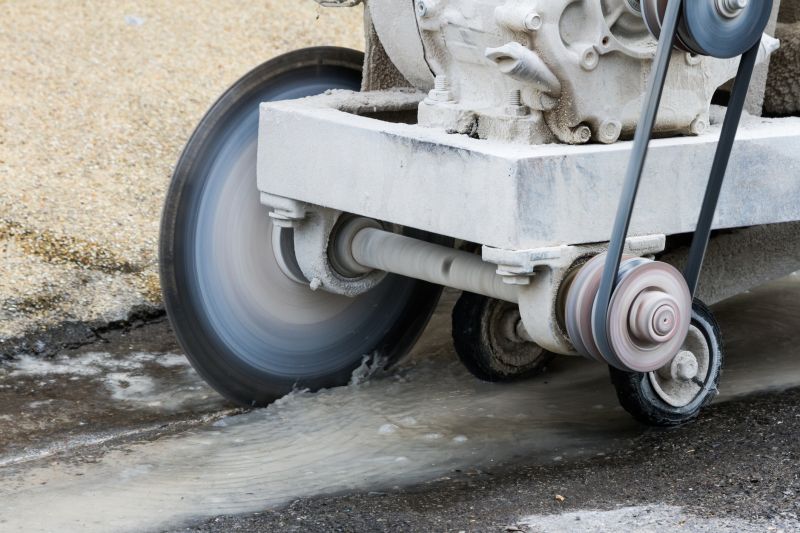
When comparing service providers for concrete cutting services, it is important to consider their experience with similar projects. Homeowners should inquire about the types of concrete work the pros have handled in the past, especially projects that resemble their own in scope and complexity. A contractor with a solid track record performing concrete cutting for various applications-such as creating openings, demolishing sections, or precision scoring-can offer insights into their familiarity with different techniques and challenges. This experience helps ensure the contractor understands the nuances of concrete cutting versus concrete removal, allowing for more accurate planning and execution tailored to the specific needs of the project.
Clear written expectations are essential when evaluating local contractors for concrete cutting services. Homeowners should seek detailed proposals that outline the scope of work, materials, methods, and any precautions or considerations relevant to the project. Having this information in writing helps prevent misunderstandings and provides a basis for comparing different service providers. It also encourages transparency and accountability, ensuring that the contractor understands the homeowner’s goals and requirements. Well-defined expectations contribute to a smoother process and help homeowners feel confident that the chosen contractor can deliver results aligned with their project needs.
Reputable references and strong communication are key factors when selecting local service providers for concrete cutting. Homeowners should ask for references from previous clients who had similar work done, which can provide insight into the contractor’s reliability, professionalism, and quality of work. Additionally, good communication throughout the process-from initial inquiries to project completion-indicates a contractor’s attentiveness and willingness to address questions or concerns. A contractor who maintains clear, prompt, and transparent communication is more likely to provide a positive experience and ensure that the project proceeds smoothly, especially when understanding the distinctions between concrete cutting and concrete removal.
Property owners often search for concrete cutting vs concrete removal: understanding the difference when they are planning practical projects around their homes and businesses. Local pros provide Concrete Cutting services for everyday jobs and straightforward project options.
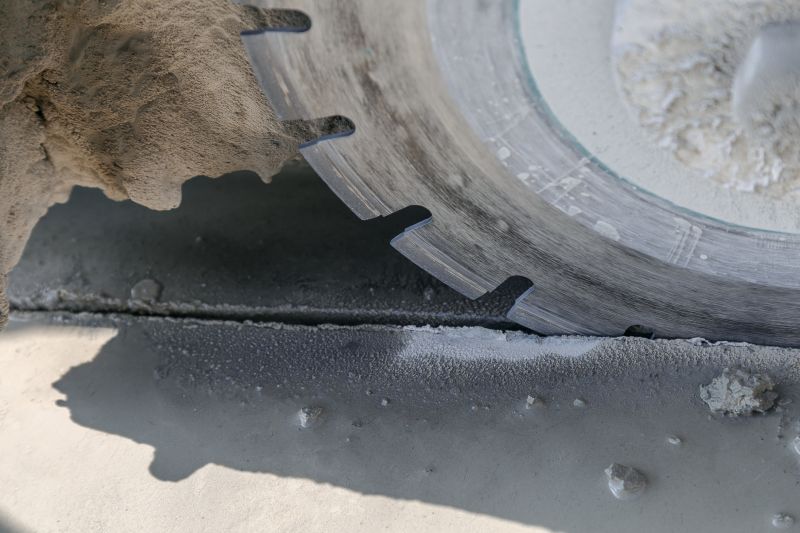
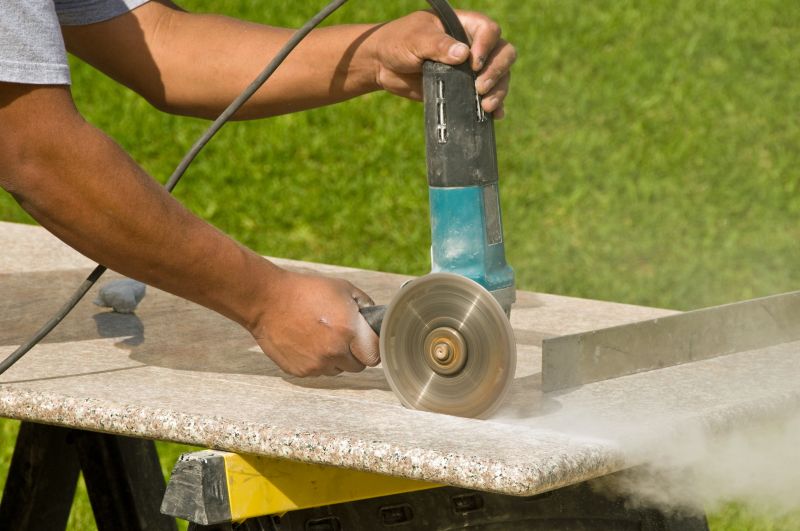
When undertaking renovation or repair projects around a property, property owners often encounter situations where concrete needs to be altered or removed. For example, widening a doorway, installing new plumbing, or creating a custom opening may require concrete cutting services. This process involves precisely scoring or slicing through concrete surfaces to achieve the desired modifications without disturbing surrounding structures. Understanding the differences between concrete cutting and concrete removal can help property owners determine which service is appropriate for their specific project and ensure the work is done efficiently and accurately by local contractors experienced in these techniques.
Concrete removal, on the other hand, involves taking out large sections of concrete, often in preparation for complete replacement or major structural changes. This might be necessary when the existing concrete is severely damaged or when a significant redesign is planned. Local service providers specializing in concrete removal can handle these more extensive projects safely and effectively, using specialized equipment to break up and haul away old concrete. Recognizing when to opt for concrete cutting versus removal can help property owners make informed decisions about their project needs and connect with local contractors who can deliver the right solution.
What is the main difference between concrete cutting and concrete removal? Concrete cutting involves making precise cuts or holes in existing concrete surfaces, while concrete removal entails completely taking out sections of concrete, often including breaking and hauling away debris. Local contractors can perform both services based on project needs.
When should I consider concrete cutting instead of removal? Concrete cutting is suitable when only specific sections need to be altered or accessed, such as for installing utilities or creating openings. Local pros can help determine if cutting or full removal is appropriate for your project.
Can concrete removal be done with specialized tools? Yes, concrete removal typically uses heavy-duty equipment like jackhammers and saws to break up and remove concrete. Local service providers have the necessary tools to handle large-scale removal jobs efficiently.
Is concrete cutting less disruptive than removal? Generally, concrete cutting is less disruptive because it involves only creating precise cuts without removing entire sections. Local contractors can minimize disturbance during cutting projects compared to full removal.
How do local pros decide whether to cut or remove concrete? They assess the scope of the project, the desired outcome, and the condition of the concrete to recommend the most effective approach, whether it’s precise cutting or complete removal. Contact local service providers for expert guidance on your specific needs.
Identifying the Need for Precision - Property owners can determine whether concrete cutting services are suitable for creating openings or modifications in existing slabs, avoiding unnecessary removal.
Planning for Space Changes - When redesigning layouts, understanding concrete removal helps decide if existing structures need to be taken out before new installations.
Managing Structural Adjustments - For projects involving load-bearing elements, consulting with local contractors about concrete cutting versus removal ensures safety and proper execution.
Maintaining Property Integrity - Choosing the right service can minimize damage to surrounding areas, making repairs easier and preserving the property's overall condition.
If you are thinking about concrete cutting vs concrete removal: understanding the difference for a property, this guide is meant to help you understand this topic, the typical project types, and how different options might fit your plans.
When you are ready, you can use the quote form on this page to share a few details about your project. From there, local pros can review the basics and follow up with options that match what you have in mind.